Quick answer
The core biblical sites sit inside the Ancient Corinth archaeological site, open daily 08:00–20:00, with a single 15 EUR full-price ticket covering both the excavations and the Archaeological Museum. The bema, the Lechaion Road, the agora and the Erastus inscription all fall within that boundary. Acrocorinth, the acropolis above, is a separate hilltop reached by car.
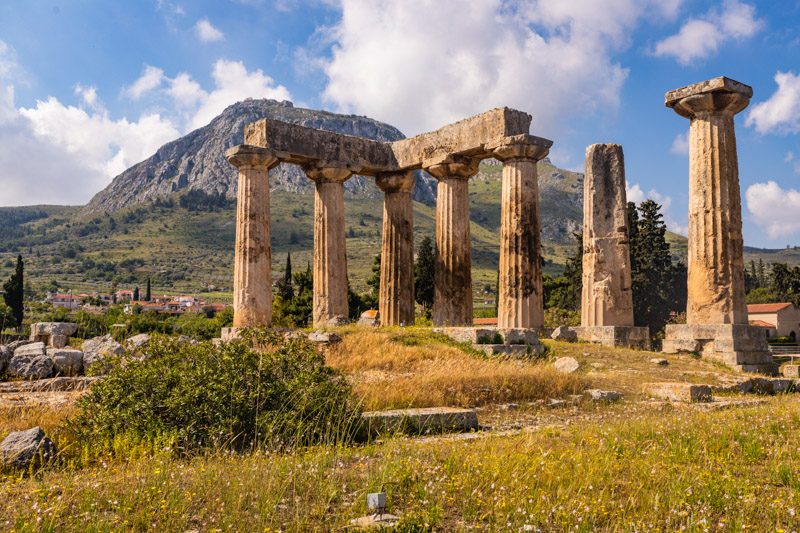
Paul spent roughly eighteen months in Corinth, longer than in almost any other city on his journeys — and the stone he most likely stood on is still there, a raised limestone platform at the south side of the forum. The bema, the judgement seat where Acts 18 places him before the proconsul Gallio, is one of the few New Testament locations anywhere that can be identified with reasonable archaeological confidence. Gallio's own name, recovered from an inscription at Delphi, is what anchors Paul's stay to the early 50s AD, making this one of the firmest dates in the entire New Testament. What visitors actually walk through is a Roman colony, not a Greek city. Corinth was destroyed in 146 BC and refounded by Julius Caesar in 44 BC, so almost everything underfoot — the paved Lechaion Road running north toward the harbour, the shops of the agora, the Peirene Fountain — is the town Paul knew rather than the classical one. The seven standing columns of the Temple of Apollo are the conspicuous exception, sixth-century BC and visible from every corner of the excavation. The biblical sites in Corinth are therefore not separate monuments but points within a single civic plan: a market where meat sacrificed to idols was sold, a fountain house where the city drew water, a road where travellers arrived. Two pieces reward slow looking. The Erastus inscription, a paving block near the theatre, names an aedile who laid the pavement at his own expense — plausibly the Erastus Paul greets in Romans 16:23. The Archaeological Museum, included in the same entry, holds the finds that give the ruins their texture, including votive offerings from the Asklepieion. Plan the walk as a loop rather than a checklist. Two to three hours covers the excavations and museum without hurrying; pilgrimage groups following a biblical Corinth tour often add Acrocorinth and the Lechaion harbour, which needs a vehicle and half a day more. Shade is scarce among the Corinth landmarks, and the site's dedicated timing and access sections below set out when to come and how to reach it. Read those before fixing a date, then use this biblical sites in corinth guide to decide how much of the ground you want to cover.
“The bema is one of the few New Testament locations anywhere that can be identified with reasonable archaeological confidence.”
When to Visit Biblical Sites in Corinth
The optimal time to explore the biblical sites of Ancient Corinth is during the early morning hours. Arriving between 08:00 and 10:30 allows you to experience the site before the arrival of tour buses and the intensity of the midday sun.
Spring (April-May)
Moderate; increasing towards MayMild and pleasant, 15°C to 23°C. Ideal for walking the site comfortably before summer heat.
Autumn (September-October)
Moderate; cooler than summerWarm, 18°C to 26°C. Favorable conditions for exploring the open ruins without excessive sun exposure.
Weekday mornings
Minimal; few visitors—
Best for quiet contemplation of historical areas. This window consistently avoids peak group traffic.
Summer (June-August)
High; frequent tour groupsHot and dry, 25°C to 35°C. Expect significant heat and larger crowds throughout the day.
Verdict: The best period for a visit is mid-week, arriving promptly at 08:00, during the months of April or October.
Opening Hours for Biblical Sites in Corinth
The archaeological site of Ancient Corinth is open daily to visitors throughout the week.
| Monday | 08:00–20:00 | |
|---|---|---|
| Tuesday | 08:00–20:00 | |
| Wednesday | 08:00–20:00 | |
| Thursday | 08:00–20:00 | |
| Friday | 08:00–20:00 | |
| Saturday | 08:00–20:00 | |
| Sunday | 08:00–20:00 |
Key Biblical Sites in Corinth to Explore
Ancient Corinth offers tangible connections to the missionary journeys of the Apostle Paul. These sites mark the locations where significant legal and cultural events recorded in the New Testament occurred.
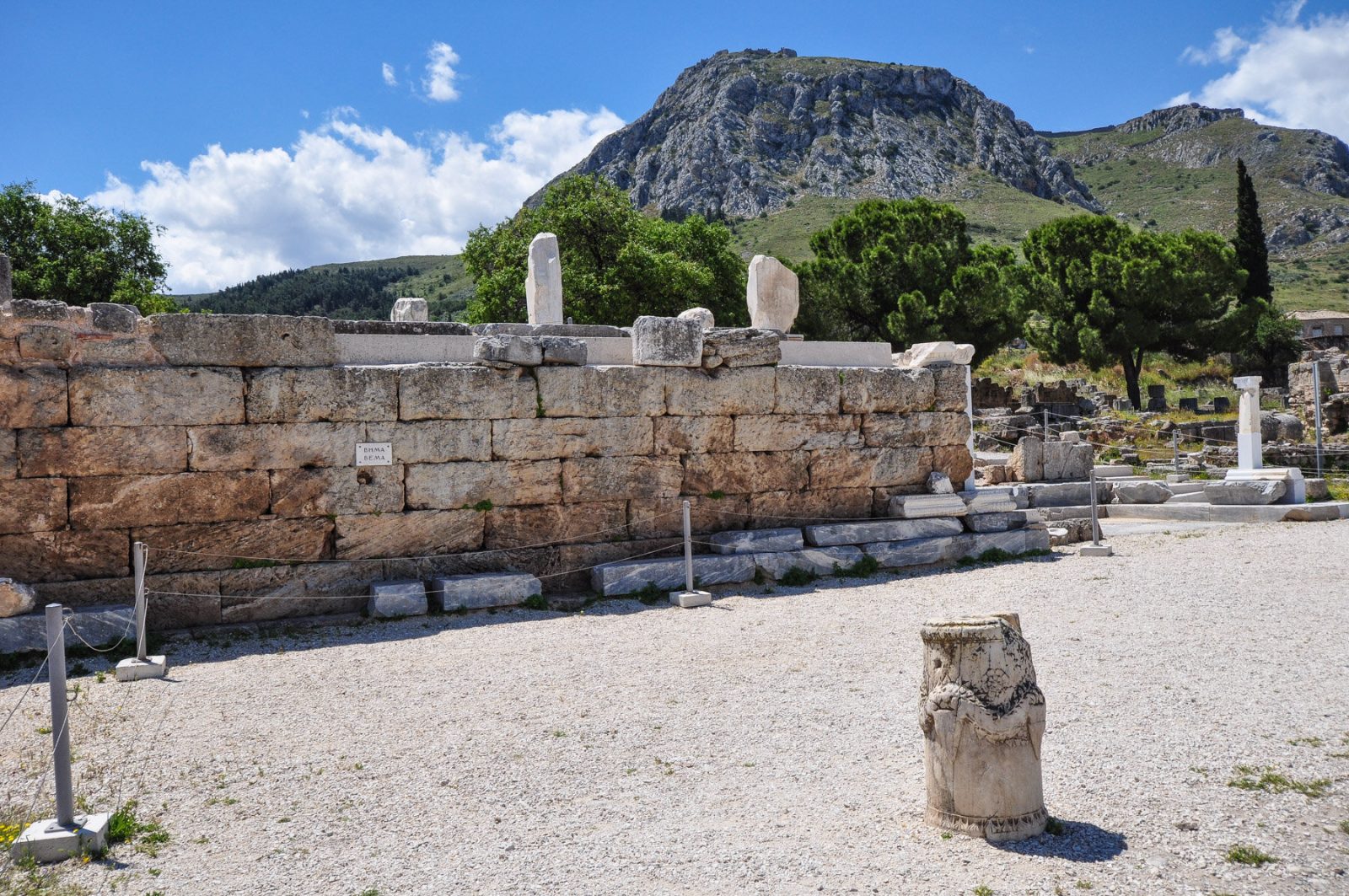
The Bema
This raised platform served as the judgment seat where the Apostle Paul was brought before the proconsul Gallio, as described in the Acts of the Apostles.
Stand on the northern edge for the best perspective of the plaza.
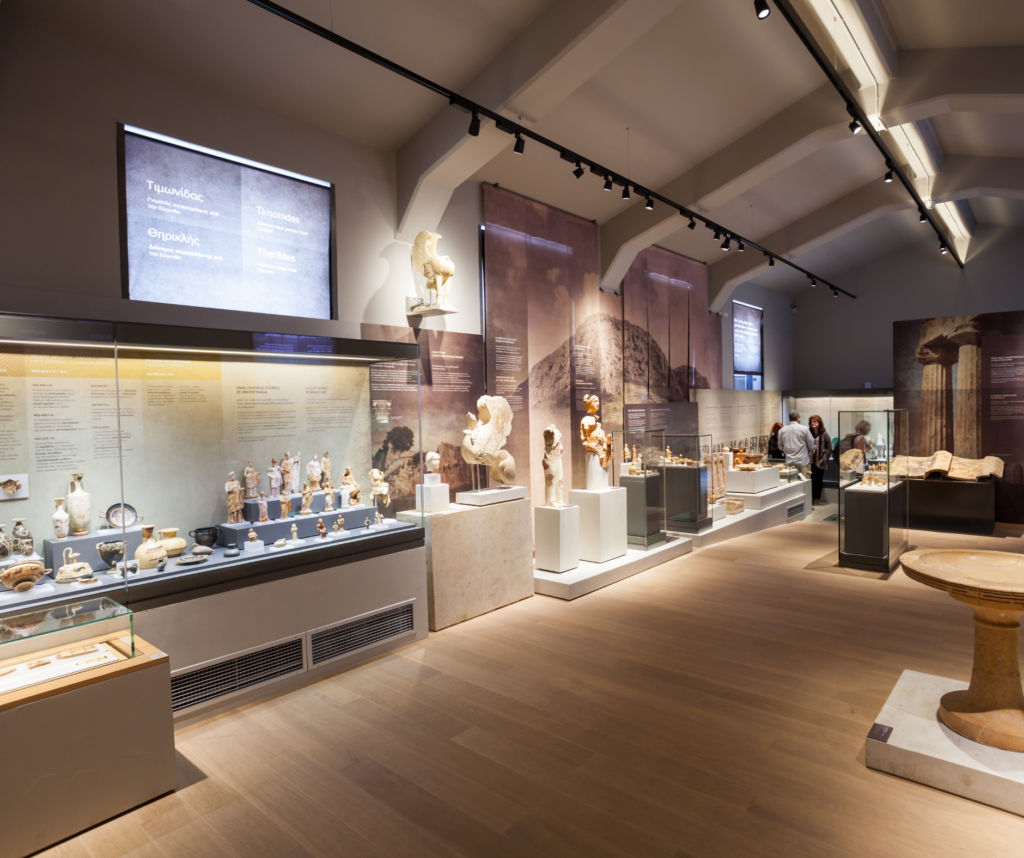
Archaeological Museum of Corinth
This facility houses artifacts recovered from the site, including inscriptions and sculptures that provide context for the Roman-era city Paul visited.
Examine the Erastus Inscription near the entrance for a biblical link.
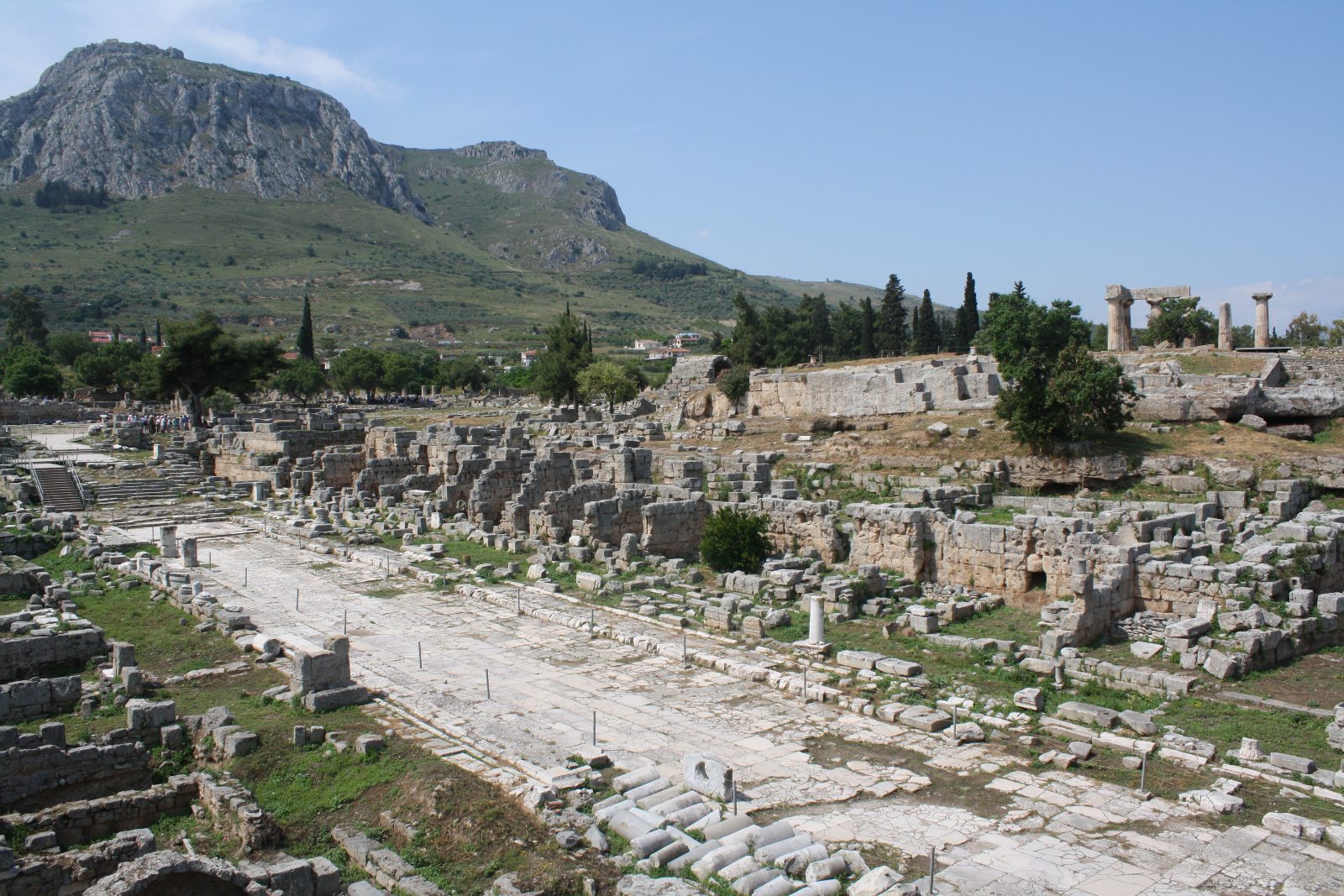
The Agora
The central marketplace was the heart of civic life where Paul likely engaged in public discourse and practiced his trade as a tentmaker.
Walk the perimeter early to observe the scale of the commercial area.
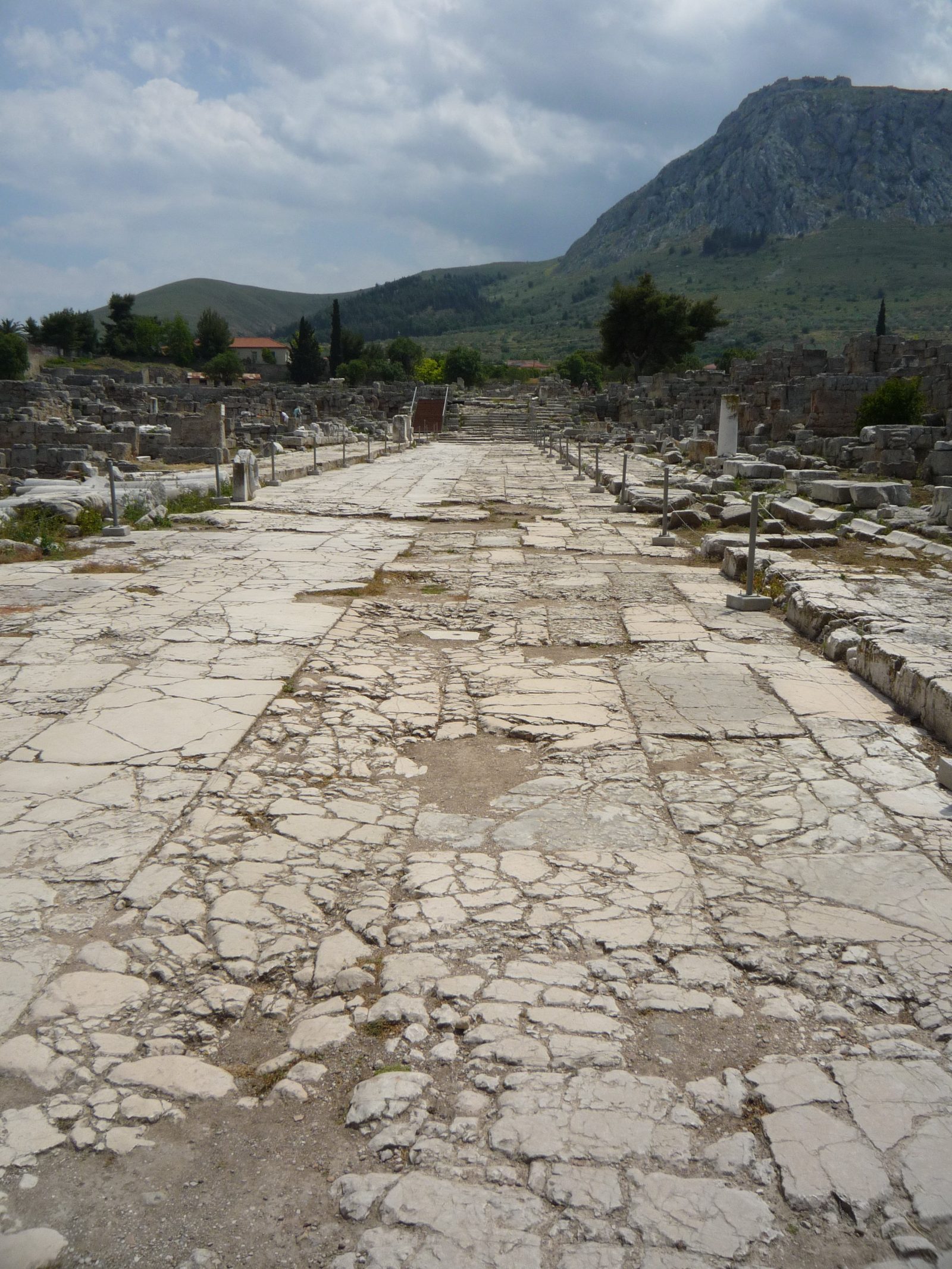
The Lechaion Road
This paved thoroughfare connected the city to its port and served as a major artery for trade and movement during the first century.
Follow the stone path northward to see the original drainage system.
History of the Biblical Sites in Corinth
Corinth's biblical chapter begins in ruin. Lucius Mummius sacked the Greek city in 146 BC, and the site lay largely desolate for a century. In 44 BC Julius Caesar refounded it as Colonia Laus Iulia Corinthiensis, settling freedmen and veterans on the plain below Acrocorinth. By 27 BC the colony served as capital of the Roman province of Achaia, governed by a proconsul and enriched by the diolkos and the twin harbours of Lechaion and Kenchreai. Into that commercial city came Paul of Tarsus, around AD 50. Acts 18 records an eighteen-month residence, tentmaking alongside Aquila and Priscilla, both recently expelled from Rome under Claudius. Paul argued weekly in the synagogue, then moved next door to the house of Titius Justus. Around AD 51 the Jewish community brought him before Lucius Junius Gallio, proconsul and brother of Seneca; Gallio dismissed the charge. An inscription from Delphi dates Gallio's term, anchoring the whole New Testament chronology. From Ephesus, some years later, Paul wrote the two surviving letters to this congregation. The Roman city Paul knew was not modest. The Temple of Apollo already stood, its monolithic Doric columns raised in the sixth century BC. Around it the colony built basilicas, shops, and the fountain of Peirene. Earthquakes in AD 375 and 551 brought much of it down. What survives shapes any visit to the biblical sites in Corinth today: seven standing Apollo columns, the paved Lechaion Road, the marble bema where Paul stood before Gallio, and the Erastus inscription. Few Corinth landmarks tie text to stone so directly, which is why a Corinth biblical tour lingers here. The biblical sites in Corinth remain legible ground.
Lucius Mummius destroys Greek Corinth and Rome annexes its territory.
Julius Caesar refounds the city as a Roman colony settled largely by freedmen.
Corinth becomes capital of the senatorial province of Achaia under a proconsul.
Paul arrives and stays roughly eighteen months, working as a tentmaker with Aquila and Priscilla.
The proconsul Gallio dismisses charges brought against Paul at the bema in the forum.
Paul writes 1 Corinthians from Ephesus to the congregation he founded.
A major earthquake damages the Roman forum and surrounding public buildings.
A second severe earthquake ends the classical city's monumental phase.
Getting to Biblical Sites in Corinth
Ancient Corinth is located approximately 80 kilometers west of Athens. The most efficient way to reach the site is by private vehicle or regional bus, which provides direct access to the archaeological zone.
Follow National Road A8 (Athens-Patras) and take the exit for Ancient Corinth
KTEL bus from Kifisos Station in Athens to Corinth, then local taxi to the site
Direct transfer from Athens or Corinth city center to Ancient Corinth
Check availability
FAQs: Exploring Biblical Sites in Corinth
Everything you need to know about biblical sites in corinth